Ayurvedic treatment for Fatty Liver in Dubai | Aarogyashala Best Ayurvedic Clinic in Bur Dubai
Ayurvedic treatment for Fatty Liver in Dubai: Personalised Liver Health Support in Bur Dubai
Fatty liver disease develops when excess fat accumulates inside the liver. It is often associated with diabetes, insulin resistance, high cholesterol, excess body weight and other metabolic conditions. Although many people initially experience no symptoms, the condition may progress to liver inflammation, fibrosis, cirrhosis or other complications.
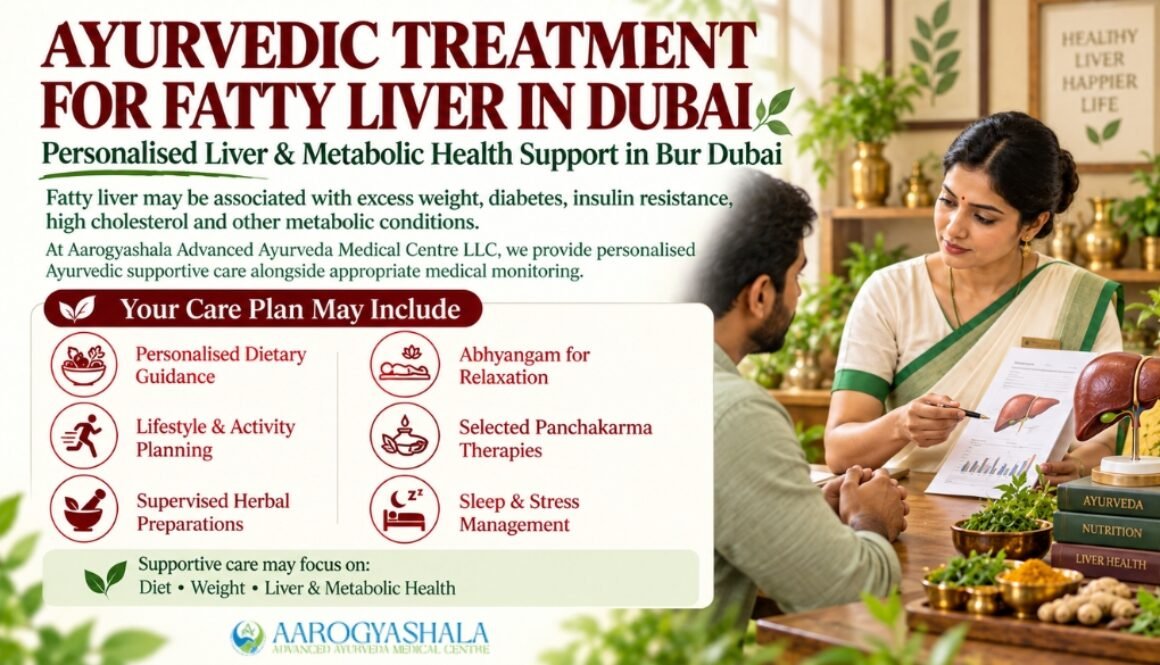
At Aarogyashala Advanced Ayurveda Medical Centre LLC, we provide personalised Ayurvedic treatment for fatty liver in Dubai as a complementary approach to conventional medical care. Our clinic is conveniently located on Mankhool Road in Bur Dubai, Dubai.
Every care plan is developed according to the patient’s diagnosis, liver-test results, ultrasound or FibroScan findings, body constitution, digestive health, diet, physical activity, alcohol intake, current medicines and complete medical history.
Ayurvedic care should support—not replace—diagnosis, monitoring or treatment from a doctor, gastroenterologist or hepatologist.
What Is Fatty Liver Disease?
Fatty liver disease, now more broadly called steatotic liver disease, occurs when an excessive amount of fat accumulates in liver cells.
The condition can have different causes. Two important categories are:
- Metabolic dysfunction-associated steatotic liver disease
- Alcohol-related liver disease
Some people have risk factors involving both metabolic health and alcohol consumption. A doctor must evaluate the underlying cause because this influences monitoring and treatment.
Understanding MASLD and MASH
Metabolic dysfunction-associated steatotic liver disease (MASLD) is the newer term for the condition previously called non-alcoholic fatty liver disease or NAFLD.
MASLD is associated with liver fat and one or more cardiometabolic risk factors, such as:
- Type 2 diabetes
- Insulin resistance
- Excess body weight
- Increased waist circumference
- High blood pressure
- High triglycerides
- Abnormal cholesterol levels
Some patients develop a more active form involving liver inflammation and cell injury. This is called metabolic dysfunction-associated steatohepatitis (MASH), previously known as NASH.
MASH can sometimes progress to:
- Liver fibrosis
- Cirrhosis
- Liver failure
- Liver cancer
Not every person with MASLD develops severe liver disease. Medical assessment helps determine the individual level of risk.
Metabolic Fatty Liver vs Alcohol-Related Liver Disease
Metabolic fatty liver disease
MASLD is closely associated with metabolic risk factors such as diabetes, insulin resistance, obesity, high blood pressure and abnormal cholesterol.
Alcohol-related liver disease
Alcohol-related liver disease results from harmful alcohol consumption. It may progress from fatty liver to inflammation, fibrosis and cirrhosis.
Patients should give their doctor accurate information about alcohol intake. This allows the healthcare professional to identify the likely cause and recommend suitable treatment without judgement.
Stopping alcohol suddenly can be dangerous for someone who is physically dependent. Such patients should seek medical help for a supervised withdrawal plan.
Is Fatty Liver Disease Serious?
Simple fat accumulation may remain stable or improve with appropriate lifestyle and medical management. However, liver inflammation and fibrosis can progress silently.
Steatotic liver disease is a growing global health concern and is closely linked with type 2 diabetes, obesity and cardiovascular disease. It can progress to fibrosis, cirrhosis and liver cancer when not appropriately managed.
Patients searching for fatty liver treatment in Bur Dubai should first establish the cause and stage of their condition through proper medical evaluation.
Common Signs and Symptoms
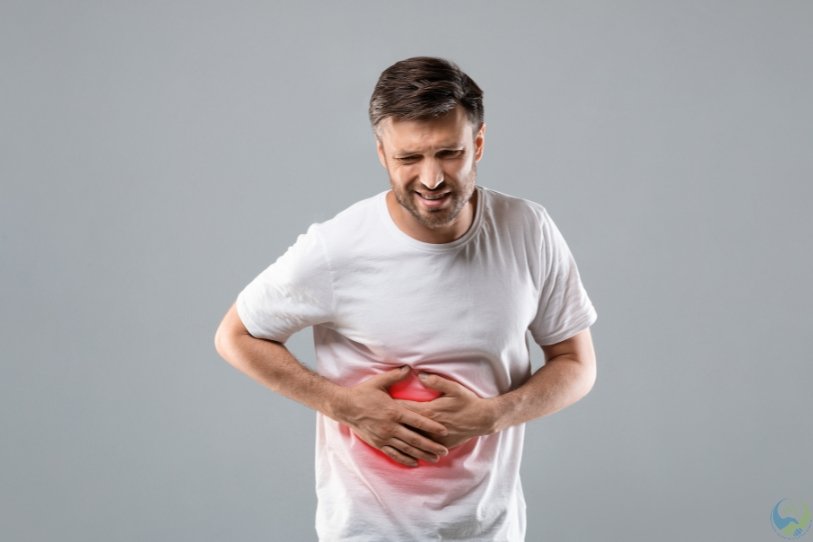
Fatty liver disease frequently causes few or no symptoms, particularly in its early stages. When symptoms occur, they may include:
- Persistent tiredness
- General weakness
- Discomfort in the upper-right abdomen
- Reduced appetite
- Nausea
- Unexplained weight changes
- Difficulty concentrating
- A general feeling of being unwell
Advanced liver disease may cause:
- Yellowing of the skin or eyes
- Abdominal or leg swelling
- Easy bruising or bleeding
- Dark urine
- Pale stools
- Persistent itching
- Confusion or unusual drowsiness
The absence of symptoms does not necessarily mean the liver is healthy. Many patients are diagnosed after routine blood tests or abdominal imaging.
Causes and Risk Factors
Risk factors for MASLD include:
- Type 2 diabetes
- Prediabetes or insulin resistance
- Overweight or obesity
- Increased abdominal fat
- High triglycerides
- Abnormal cholesterol
- High blood pressure
- Metabolic syndrome
- Limited physical activity
- Diets high in calories or sugary drinks
- Sleep apnoea
- Certain genetic factors
- Some medicines and medical conditions
Lean individuals can also develop MASLD. Therefore, fatty liver should not be viewed only as a weight-related condition.
How Is Fatty Liver Disease Diagnosed?
Medical evaluation may include:
- Review of symptoms and medical history
- Assessment of alcohol consumption
- Physical examination
- Liver-function blood tests
- Blood sugar or HbA1c
- Cholesterol and triglyceride tests
- Abdominal ultrasound
- FibroScan or another elastography test
- Fibrosis risk calculations
- MRI in selected cases
- Liver biopsy when clinically necessary
Liver enzymes may sometimes remain normal despite fat accumulation or fibrosis. Doctors therefore assess the complete clinical picture rather than relying on a single test.
An Ayurvedic doctor for fatty liver treatment in Dubai should review relevant medical reports and coordinate supportive care with the patient’s treating physician.
Understanding Fatty Liver in Ayurveda
Ayurveda does not describe modern fatty liver disease through one exact equivalent. An Ayurvedic practitioner may assess the condition in relation to the functioning of Agni, the formation and processing of body tissues, and imbalances involving the doshas.
The liver is traditionally associated with metabolic transformation and Pitta functions. Depending on the individual presentation, an Ayurvedic assessment may consider:
- Digestive strength and appetite
- Heaviness or sluggishness
- Eating habits
- Physical activity
- Sleep
- Body constitution
- Bowel habits
- Metabolic health
- Alcohol consumption
- Current medicines
- Relevant medical reports
These Ayurvedic concepts may guide personalised lifestyle support but should not replace modern medical diagnosis or liver-disease staging.
How Ayurveda May Support Fatty Liver Management
Personalised Ayurvedic treatment for fatty liver in Dubai may be used alongside conventional care to support sustainable lifestyle changes and general well-being.
Depending on the patient’s assessment, the programme may focus on:
- Developing healthier eating patterns
- Supporting digestive comfort
- Encouraging appropriate physical activity
- Supporting gradual weight management
- Improving daily routines
- Promoting regular sleep
- Managing everyday stress
- Reducing harmful lifestyle habits
- Supporting metabolic health
Ayurvedic care cannot guarantee rapid removal of liver fat, reversal of cirrhosis or prevention of every complication.
Personalised Ayurvedic Treatment for Fatty Liver in Dubai
Before recommending an Ayurvedic treatment for fatty liver in Dubai, the practitioner may review:
- Type and stage of liver disease
- Liver-function tests
- Ultrasound or FibroScan findings
- Blood sugar and HbA1c
- Cholesterol and triglyceride levels
- Blood pressure
- Body weight and waist measurement
- Diet and meal patterns
- Physical activity
- Alcohol intake
- Sleep and stress
- Prescription medicines
- Supplements and herbal products
- Other medical conditions
This evaluation is important because some Ayurvedic herbs and procedures may be unsuitable for people with active liver injury or advanced liver disease.
Ayurvedic Approaches That May Be Considered
Following an individual consultation at our Ayurvedic clinic in Bur Dubai, selected approaches may be included in a supportive care plan.
Personalised dietary guidance
Dietary advice may focus on balanced meals, appropriate portion sizes, reduced intake of sugary drinks and sustainable changes suited to the patient’s metabolic health.
Lifestyle and Activity Planning
Recommendations may help patients incorporate regular movement, consistent sleep and healthier routines into daily life.
Abhyangam
Abhyangam is a traditional Ayurvedic oil application and massage. It may support relaxation and general wellness but does not directly remove fat from the liver.
Selected Panchakarma procedures
Certain Panchakarma procedures may be considered after a detailed assessment. Panchakarma is not appropriate for every patient with fatty liver disease, particularly those with advanced liver problems, weakness, dehydration or other significant conditions.
Panchakarma should not be described as a rapid liver detoxification programme.
Ayurvedic Herbal Preparations
A qualified practitioner may recommend selected Ayurvedic preparations following a review of the patient’s liver health and medicines.
Some herbal medicines and dietary supplements can cause liver injury or interact with diabetes, cholesterol, blood-pressure and other medicines. Patients should inform both their doctor and Ayurvedic practitioner about every product they use.
Ayurvedic Treatment for MASLD
An Ayurvedic treatment for MASLD should form part of a wider, medically supervised plan that addresses metabolic risk factors.
Supportive care may focus on:
- Balanced nutrition
- Appropriate calorie intake
- Regular physical activity
- Gradual weight management
- Blood-sugar control
- Cholesterol management
- Blood-pressure control
- Sleep quality
- Reduced or avoided alcohol consumption
- Regular medical monitoring
Ayurvedic treatment should not replace specialist-directed medication when medicine is clinically indicated.
Diet Guidance for Fatty Liver
There is no single food or herbal drink that can clean or detoxify the liver. The liver already performs essential metabolic and detoxification functions.
General dietary guidance may include:
- Eat a variety of vegetables
- Choose whole fruits instead of sugary juices
- Include whole grains in appropriate portions
- Consume suitable sources of lean protein
- Choose unsaturated fats in moderation
- Reduce sugar-sweetened beverages
- Limit foods high in added sugar
- Reduce heavily processed foods
- Control portion sizes
- Avoid excessive saturated fat
- Discuss alcohol intake with a doctor
People with diabetes, kidney disease or other health conditions require personalised dietary advice.
Weight Management
For patients who are overweight or living with obesity, gradual weight reduction may help reduce liver fat and improve metabolic health. Rapid weight loss and malnutrition can worsen liver disease, so crash diets and extreme fasting should be avoided.
Gradual weight loss through healthier food choices, suitable portion sizes and physical activity.
Weight loss is not appropriate for every patient. Lean individuals with fatty liver require a plan focused on metabolic health rather than unnecessary weight reduction.
Exercise and Physical Activity
Regular physical activity may help reduce liver fat and improve blood sugar, cardiovascular fitness and overall health—even without significant weight loss.
A suitable programme may include:
- Brisk walking
- Cycling
- Swimming
- Strength training
- Low-impact aerobic exercise
- Yoga as a complementary activity
- Reducing long periods of sitting
Patients should begin gradually and choose exercise appropriate for their fitness level and medical conditions. Anyone with chest pain, severe breathlessness or significant heart disease should consult a doctor before starting a new programme.
Sleep, Stress and Metabolic Health
Poor sleep and untreated sleep apnoea may be associated with metabolic problems. A personalised programme for natural fatty liver management in Dubai may therefore include:
- Consistent sleeping and waking times
- Evaluation of loud snoring or interrupted breathing
- Relaxation techniques
- Gentle yoga or breathing exercises
- Reduction of prolonged stress
- Regular physical activity
- Consistent meal timings
Stress management supports general well-being but should not be presented as a substitute for medical liver treatment.
Managing Diabetes, Cholesterol and Blood Pressure
Fatty liver disease is closely connected with metabolic health. Patients should continue regular monitoring and prescribed treatment for:
- Diabetes
- High cholesterol
- High triglycerides
- High blood pressure
- Obesity
- Cardiovascular disease
Do not stop or reduce medicines after beginning Ayurvedic treatment for metabolic health unless the prescribing doctor advises you to do so.
Avoid Unverified Liver-Detox Products
Products marketed as “liver cleanses” or rapid detox remedies may contain unknown or potentially harmful ingredients.
Patients should avoid:
- Unlabelled herbal mixtures
- Products without clear ingredients
- Extreme fasting programmes
- High-dose supplements without medical advice
- Remedies promising rapid reversal of fatty liver
- Combining multiple herbs and medicines without supervision
Natural products are not automatically safe for the liver. Report symptoms such as jaundice, dark urine, nausea or unusual fatigue after starting any supplement.
Benefits of Personalised Ayurvedic Care
Possible benefits of personalised Ayurvedic treatment for liver health include:
- Detailed review of diet and daily routines
- Consideration of body constitution and digestive health
- Lifestyle recommendations adapted to the patient
- Support for gradual weight management when appropriate
- Guidance on exercise, sleep and stress
- Review of current medicines and supplements
- Avoidance of unsuitable herbs or procedures
- Ongoing monitoring and adjustment
- Coordination with conventional medical care
Results vary according to the type and stage of liver disease, metabolic health, adherence to lifestyle changes and individual response.
Why Choose Aarogyashala in Bur Dubai?
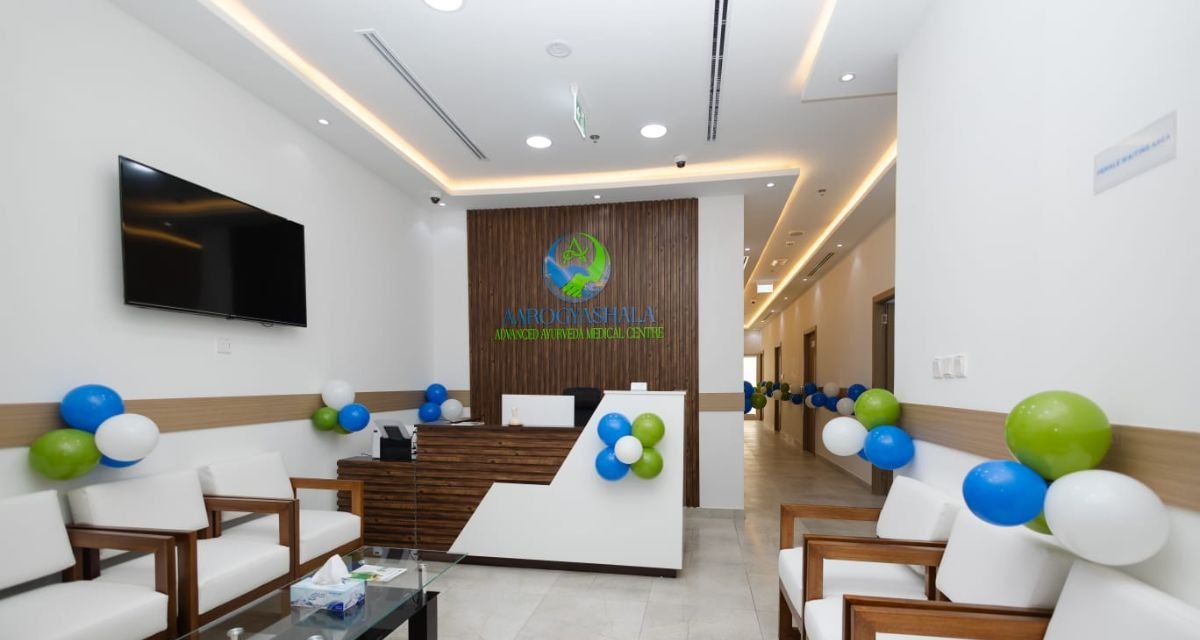
Aarogyashala Advanced Ayurveda Medical Centre LLC provides personalised Ayurvedic care in a professional and welcoming environment in Bur Dubai, Dubai.
Patients seeking fatty liver ayurvedic treatment in Bur Dubai may choose Aarogyashala for:
- Individual Ayurvedic consultation
- Review of available medical reports
- Personalised diet and lifestyle guidance
- Professionally supervised Ayurvedic therapies
- Consideration of diabetes and metabolic risk factors
- Responsible coordination with medical care
- Convenient location on Mankhool Road
- Easy access from Sharaf DG Metro Station—Exit 2
- Follow-up according to individual progress
If you are searching for a liver health clinic in Dubai, first ensure that you receive appropriate medical diagnosis and liver-disease monitoring. Aarogyashala can then provide complementary Ayurvedic support based on your individual needs.
When to Seek Urgent Medical Attention
Seek urgent medical care if you experience:
- Yellowing of the skin or eyes
- Severe or persistent abdominal pain
- Swelling of the abdomen or legs
- Vomiting blood
- Black or tar-like stools
- Increasing confusion or unusual drowsiness
- Personality or behaviour changes
- Persistent vomiting
- Unexplained or rapid weight loss
- Dark urine with pale stools
- Easy bruising or bleeding
- Severe weakness
- Breathing difficulty
These symptoms may indicate advanced liver disease or another serious medical condition and should not be treated only with complementary therapies.
Frequently Asked Questions
-
Ayurveda should not be claimed to reverse cirrhosis. Patients with fibrosis or cirrhosis require specialist hepatology care and regular monitoring.