Ayurvedic Treatment for Varicose Veins in Dubai
Ayurvedic Treatment for Varicose Veins in Dubai: Understanding Symptoms & Supportive Care
Visible, swollen veins in the legs can cause concerns about both appearance and comfort. For some people, varicose veins are accompanied by aching, heaviness or swelling that makes daily activities uncomfortable.
If you are exploring Ayurvedic treatment for varicose veins in Dubai, understanding the condition and the limits of supportive care is an important first step.
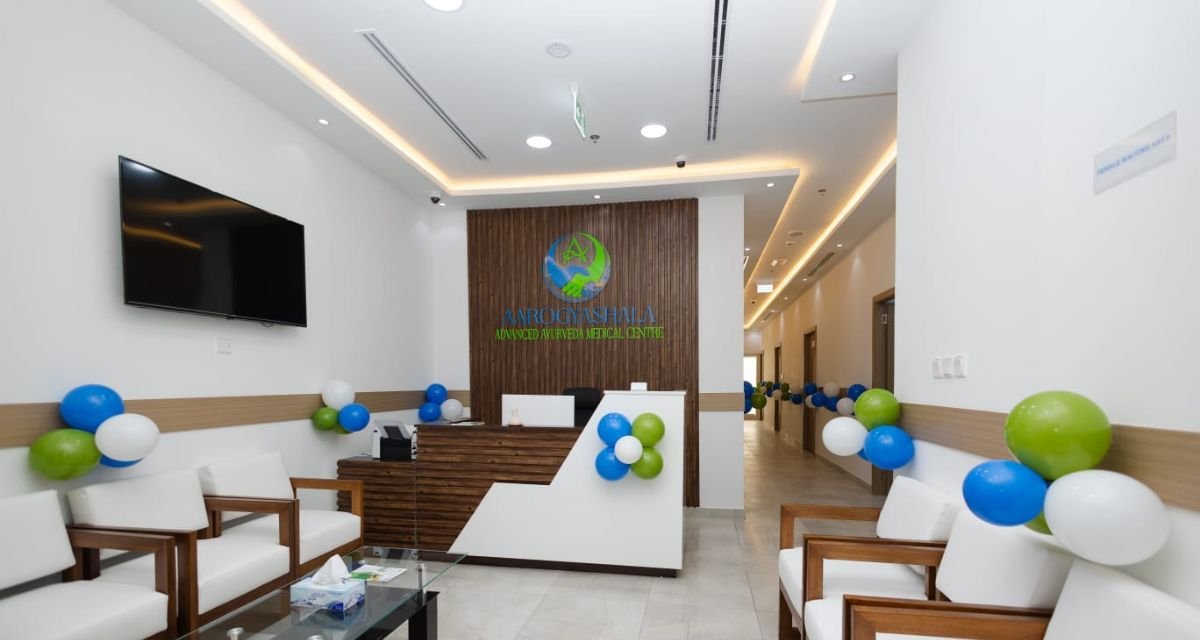
At Aarogyashala Advanced Ayurveda Medical Centre, Bur Dubai, Dubai, we offer Ayurvedic consultations to discuss individual concerns and supportive approaches to wellbeing. Care should begin with an appropriate assessment, with vascular specialist advice when needed.
What Are Varicose Veins?
Varicose veins are enlarged, twisted veins that usually develop in the legs. They can occur when the valves inside veins do not work properly, allowing blood to collect and increasing pressure within the affected veins.
Although some people have few symptoms, others develop discomfort or skin problems. Persistent symptoms should be assessed rather than treated only as a cosmetic concern.
Common Symptoms of Varicose Veins
Symptoms may include:
- Visible, bulging or twisted veins.
- Aching, throbbing or heavy-feeling legs.
- Swelling around the ankles.
- Itching or irritation near affected veins.
- Dry skin, eczema or brownish skin discolouration.
- In more advanced cases, an open sore or leg ulcer.
Not all leg pain or swelling is caused by varicose veins. A medical assessment helps identify the cause and determine suitable care.
The Role of Ayurvedic Supportive Care
Ayurveda traditionally considers daily routines, food choices, activity and individual health patterns when planning care.
An Ayurvedic consultation can provide an opportunity to discuss practical habits and general wellbeing alongside your existing medical care. However, Ayurvedic care should not be presented as a proven way to repair damaged vein valves, remove varicose veins or prevent blood clots.
Supportive care and treatment of the underlying vein problem have different goals. Symptom improvement does not necessarily mean that abnormal blood flow has been corrected.
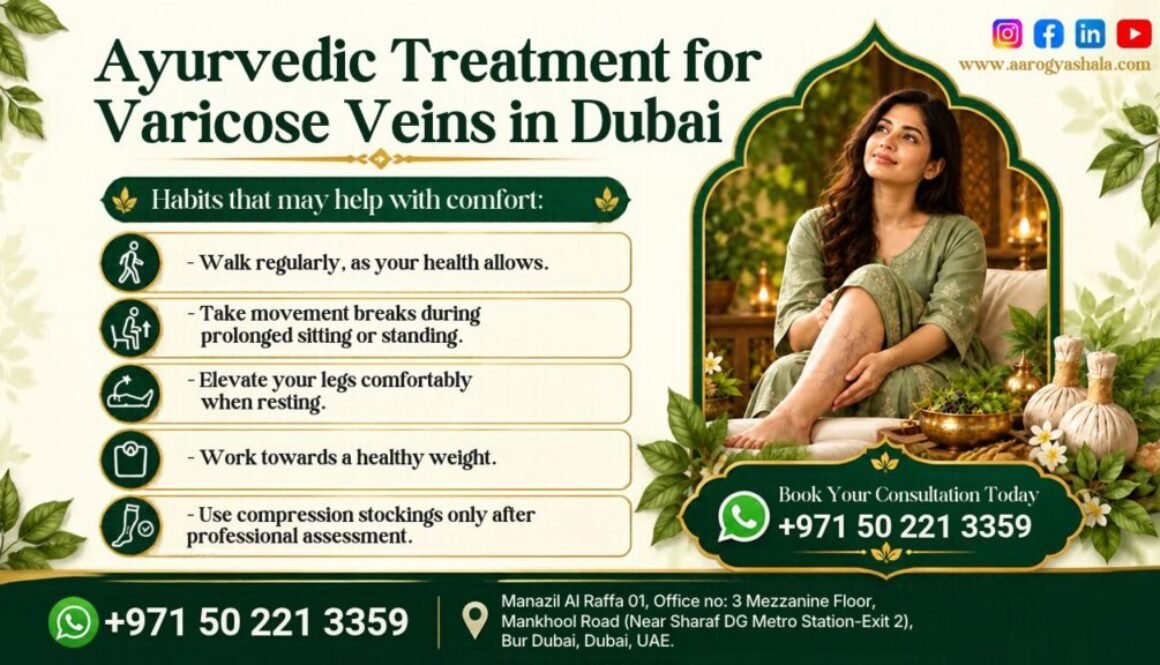
Daily Habits That May Help With Comfort
Keep Moving Regularly
Comfortable walking and regular movement may help ease symptoms. If your work involves long periods of sitting or standing, try to change position and take movement breaks.
Choose activities suited to your mobility and health. New or unexplained leg swelling should be assessed before starting an exercise programme.
Elevate Your Legs When Resting
Resting with your legs raised may help reduce discomfort and swelling. Find a comfortable, supported position and avoid staying still for prolonged periods.
Work Towards a Healthy Weight
If you are living with excess weight, gradual weight management may help reduce pressure on your legs. Focus on sustainable eating habits and suitable activity rather than restrictive diets or “detox” programmes. These measures may support comfort but do not remove existing varicose veins.
Should You Wear Compression Stockings?
Compression stockings may help selected patients, but they require appropriate assessment and fitting. They are not suitable for everyone, particularly people with certain arterial circulation problems.
Ask a qualified healthcare professional whether compression is appropriate for you and which type to use. Stockings should not delay assessment for persistent symptoms or replace a recommended vein procedure.
Ayurvedic Medicines, Oils and Therapies: Questions to Ask
Before agreeing to a herbal product or external therapy, ask:
- What is the intended benefit?
- What evidence supports its use for my concern?
- What ingredients does it contain?
- Could it interact with my medicines?
- What side effects should I watch for?
- When should treatment be reviewed or stopped?
Share details of all medicines, supplements and previous vein treatments with your practitioner. This is especially important if you take blood-thinning medication or have a history of blood clots.
Do not assume that an oil, massage or herbal preparation can dissolve a clot or correct faulty vein valves. Avoid self-treating a painful, swollen or inflamed leg, and seek assessment before applying therapies to affected areas or damaged skin.
When Is Medical or Specialist Care Needed?
Seek medical advice if you have ongoing pain, troublesome swelling, skin changes or a leg wound. A vascular assessment may include an ultrasound scan to examine blood flow and guide treatment.
Depending on the findings, treatment may involve a procedure to close or remove affected veins. One option is endovenous treatment, which closes a problematic vein from within. The appropriate approach depends on your examination and scan results.
Warning Signs That Need Prompt Attention
Seek urgent medical assessment for sudden swelling in one leg, new calf or thigh pain, or skin colour changes around a painful area. These can be signs of deep vein thrombosis, a blood clot in a deeper vein.
Leg pain or swelling accompanied by chest pain or breathlessness requires emergency medical care. Do not wait for an Ayurvedic appointment or try to manage these symptoms at home.
Bleeding from a varicose vein or an open leg sore also needs prompt medical attention.
At Aarogyashala Advanced Ayurveda Medical Centre in Bur Dubai, your consultation is an opportunity to explain your concerns and discuss the appropriate scope of supportive care.
Useful information to bring includes:
- When your symptoms started and how they affect daily life.
- Previous ultrasound reports or vascular specialist advice.
- A list of medicines and supplements.
- Details of previous blood clots, vein procedures or leg wounds.
- Information about your usual activity and work routine.
An individual plan should set realistic expectations, include follow-up and recognise when further medical assessment is needed.
Ayurvedic Treatment for Varicose Veins in Dubai

Book Your Consultation Today