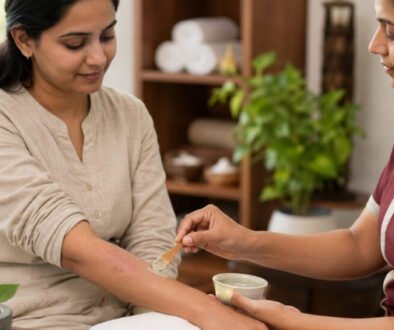
Ayurvedic treatment for Rheumatoid Arthritis in Dubai
Ayurvedic treatment for Rheumatoid Arthritis in Dubai: Advanced Ayurvedic Care in Bur Dubai
Rheumatoid arthritis is a chronic autoimmune inflammatory condition that primarily affects the joints. It can cause persistent pain, swelling, stiffness, fatigue and reduced mobility. Without appropriate medical treatment, ongoing inflammation may progressively damage the joints, cartilage and surrounding bones.
At Aarogyashala Advanced Ayurveda Medical Centre LLC, we provide personalised Ayurvedic treatment for rheumatoid arthritis in Dubai as a complementary approach to conventional rheumatology care. Located conveniently in Bur Dubai, Dubai, our clinic develops individualised Ayurvedic care plans based on each patient’s symptoms, affected joints, disease activity, body constitution, digestive health, lifestyle, current medicines and medical history.
Ayurvedic care does not replace treatment from a rheumatologist. Patients should continue their prescribed medicines and regular medical follow-ups.
What Is Rheumatoid Arthritis?
Rheumatoid arthritis, commonly known as RA, is an autoimmune disease. It develops when the immune system mistakenly attacks the tissues lining the joints, causing inflammation.
The condition frequently affects smaller joints in the hands, fingers, wrists, feet and toes. It may also involve the knees, elbows, shoulders, ankles and other joints. Symptoms commonly affect both sides of the body, although their severity may differ.
Rheumatoid arthritis can sometimes affect areas beyond the joints, including the eyes, lungs, heart, skin and blood vessels. Early diagnosis and medical treatment are important because they can help control inflammation and reduce the risk of permanent joint damage.
Common Signs and Symptoms
Symptoms can develop gradually or appear over a shorter period. They may also fluctuate, with periods of increased disease activity known as flare-ups.
Common symptoms include:
- Joint pain and tenderness
- Swelling and warmth around the joints
- Morning stiffness lasting longer than usual
- Stiffness after sitting or remaining inactive
- Reduced joint movement
- Pain affecting joints on both sides of the body
- Persistent tiredness or fatigue
- General weakness
- Loss of appetite
- Mild fever during active inflammation
- Difficulty performing everyday activities
- Changes in joint shape as the disease progresses
Joint pain, swelling and stiffness may have many different causes. A proper medical examination is essential before beginning any joint pain treatment in Dubai.
Possible Causes and Risk Factors
The exact cause of rheumatoid arthritis is not completely understood. It is believed to develop through a combination of immune-system, genetic, hormonal and environmental factors.
Factors that may increase the risk include:
- Family history of rheumatoid arthritis
- Female sex
- Increasing age, although RA can occur at any age
- Smoking
- Being overweight
- Exposure to certain environmental factors
These factors do not necessarily mean that a person will develop rheumatoid arthritis. Likewise, someone without obvious risk factors can still be affected.
Why Early Diagnosis and Treatment Matter
Persistent joint inflammation can lead to irreversible damage. Early assessment by a rheumatologist and timely use of appropriate medicines may help slow disease progression and preserve mobility.
Disease-modifying antirheumatic drugs, known as DMARDs, are commonly prescribed to control rheumatoid arthritis. Other options may include biological medicines, targeted therapies, anti-inflammatory medicines, corticosteroids, physiotherapy or occupational therapy.
Pain-relieving medicines alone do not prevent disease progression. Current clinical guidance emphasises beginning appropriate disease-modifying treatment promptly after diagnosis.
Patients should never stop DMARDs, steroids or other prescribed medicines without consulting their rheumatologist. Stopping some medicines suddenly can worsen inflammation or cause other serious health problems.
Understanding Rheumatoid Arthritis and Amavata in Ayurveda
In Ayurveda, a rheumatoid arthritis-like presentation is often discussed in relation to Amavata. However, Amavata should not be considered an exact substitute for a modern diagnosis of rheumatoid arthritis.
The term combines two Ayurvedic concepts:
- Ama: Traditionally understood as an incompletely processed metabolic substance associated with impaired digestion or metabolism.
- Vata: One of the three doshas, associated with movement and various bodily functions.
According to Ayurvedic principles, impaired digestive function, or weak Agni, may contribute to the formation of Ama. When combined with aggravated Vata, it is traditionally believed to affect the joints and contribute to pain, stiffness, heaviness and swelling.
An Ayurvedic assessment may consider:
- Location and pattern of joint symptoms
- Duration and severity of morning stiffness
- Presence of swelling, heat or tenderness
- Digestive health and appetite
- Bowel habits
- Energy and sleep
- Daily food habits
- Physical activity
- Emotional stress
- Body constitution or Prakriti
- Current medicines and laboratory findings
These traditional concepts are used to personalise supportive care and do not replace medical diagnosis, blood tests, imaging or rheumatology treatment.
How Ayurveda May Support Rheumatoid Arthritis Management
A programme offering Ayurvedic treatment for rheumatoid arthritis in Dubai may support selected aspects of symptom management and general well-being alongside conventional care.
Depending on the individual assessment, the care plan may focus on:
- Supporting digestive health
- Encouraging a suitable daily routine
- Addressing stiffness and restricted movement
- Supporting general mobility
- Promoting relaxation and better sleep
- Helping patients manage everyday stress
- Providing individualised dietary guidance
- Supporting healthy weight management when appropriate
- Improving general well-being and quality of life
Ayurvedic care cannot reverse existing joint damage or guarantee control of autoimmune inflammation. Regular monitoring by a rheumatologist remains essential.
Personalised Ayurvedic Treatment for Rheumatoid Arthritis in Dubai
Before recommending an Ayurvedic treatment for rheumatoid arthritis in Dubai, the practitioner may review:
- Confirmed medical diagnosis
- Rheumatology reports and investigations
- Joints affected by pain or swelling
- Current level of disease activity
- Frequency and severity of flare-ups
- Existing joint damage or deformity
- Current DMARDs, biological medicines and steroids
- Other medicines and supplements
- Digestive health and appetite
- Sleep, exercise and stress
- Other medical conditions
This assessment helps determine which therapies may be suitable and which should be avoided.
Ayurvedic Therapies That May Be Considered
Following a detailed consultation at our Ayurvedic clinic in Bur Dubai, selected therapies may be recommended. The treatment must be adjusted according to disease activity and the individual’s overall health.
Abhyangam
Abhyangam is a traditional Ayurvedic oil application and massage. When appropriate, gentle techniques may support relaxation, flexibility and comfort.
Oil massage may not be suitable over severely swollen, hot or acutely inflamed joints. The practitioner should assess the patient before treatment.
Kizhi
Kizhi uses prepared herbal bundles applied with controlled movements and temperature. Different types may be selected according to the condition and stage of inflammation.
Hot treatments may be inappropriate during an acute flare or when a joint is unusually warm and swollen.
Dhanyamla Dhara
Dhanyamla Dhara involves pouring a traditionally prepared fermented herbal liquid over selected areas of the body. It may be considered for some patients experiencing stiffness or heaviness after an individual assessment.
Localised oil-retention therapies
Treatments such as Janu Basti or Kati Basti may be considered for specific areas such as the knees or lower back. These therapies do not treat the underlying autoimmune disease and should be regarded as supportive measures only.
Swedana
Swedana is a controlled Ayurvedic sweating or steam procedure. The method and intensity must be carefully selected, particularly for people with active inflammation, heart conditions, blood-pressure problems or reduced heat tolerance.
Panchakarma procedures
Selected Panchakarma procedures may be considered based on body constitution, strength, digestive health, disease stage and medical history. Panchakarma is not one standard programme suitable for every rheumatoid arthritis patient.
Ayurvedic herbal preparations
A qualified practitioner may prescribe Ayurvedic preparations after reviewing the patient’s condition and medicines. Herbal products can cause adverse effects or interact with DMARDs, blood thinners, steroids and other treatments.
“Natural” does not automatically mean safe. Patients must inform their rheumatologist and Ayurvedic practitioner about every medicine, herb and supplement they use.
Ayurvedic Treatment for Joint Inflammation
The approach to Ayurvedic treatment for joint inflammation depends on whether the patient is experiencing an active flare or a relatively stable period.
During an active flare, joints may be swollen, warm, painful and difficult to move. Strong massage, excessive pressure and intense heat may worsen discomfort and should be avoided unless specifically approved after assessment.
When the condition is stable, gentle therapies, appropriate exercise and professionally guided lifestyle measures may support movement and daily functioning. Treatment should always reflect the rheumatologist’s advice and the patient’s current disease activity.
Diet and Lifestyle Guidance
There is no single diet that cures rheumatoid arthritis. Food recommendations should support general health and be personalised to the patient’s nutritional requirements, medicines and other medical conditions.
General guidance may include:
- Eat regular, balanced meals
- Include vegetables, fruits, whole grains and suitable proteins
- Choose appropriate sources of healthy fats
- Maintain adequate hydration
- Reduce heavily processed foods
- Limit foods high in added sugar and salt
- Avoid smoking
- Limit or avoid alcohol, particularly when taking medicines that affect the liver
- Maintain a healthy weight when medically advised
- Avoid unverified restrictive or “detox” diets
People taking methotrexate or other medicines requiring liver monitoring should discuss alcohol intake, herbs and supplements with their doctor.
Exercise and Maintaining Joint Mobility
Regular, appropriate movement can help maintain joint flexibility, muscle strength and functional ability. A physiotherapist can recommend exercises suited to the affected joints and disease stage.
Suitable activities may include:
- Gentle range-of-motion exercises
- Walking
- Swimming or water-based activity
- Light strengthening exercises
- Modified yoga
- Stretching under professional guidance
During a severe flare-up, additional rest may be necessary. However, prolonged inactivity can contribute to muscle weakness and stiffness. Patients should seek individual advice about balancing rest and activity.
Joint Protection in Everyday Life
Joint-protection strategies can reduce unnecessary strain during daily activities. These may include:
- Use both hands when lifting objects
- Avoid tightly gripping items for long periods
- Use assistive tools when necessary
- Maintain comfortable posture while working
- Take regular breaks from repetitive tasks
- Wear supportive footwear
- Organise frequently used items within easy reach
- Ask an occupational therapist about workplace modifications
These measures can complement an arthritis treatment in Bur Dubai by supporting independence and daily comfort.
Stress and Sleep Management
Living with persistent pain and unpredictable flare-ups may affect mood, sleep and emotional well-being. Stress does not directly cause every flare, but it can make pain and fatigue more difficult to manage.
Helpful practices may include:
- Maintaining a regular sleep schedule
- Gentle breathing exercises
- Meditation or mindfulness
- Appropriate yoga
- Dividing demanding tasks into manageable stages
- Seeking emotional or psychological support when needed
- Discussing persistent anxiety or low mood with a healthcare professional
Benefits of Personalised Ayurvedic Care
A personalised approach allows recommendations to reflect the patient’s medical condition and daily needs.
Potential benefits include:
- Detailed assessment of symptoms and lifestyle
- Care adapted to body constitution
- Consideration of digestive health
- Individual diet and routine guidance
- Therapies selected according to disease activity
- Support for relaxation, sleep and stress management
- Regular monitoring and modification of the programme
- Coordination with prescribed medical care
- Avoidance of unsuitable treatments during acute inflammation
Outcomes vary based on disease severity, existing joint damage, general health, lifestyle and response to treatment.
Why Choose Aarogyashala in Bur Dubai?
Aarogyashala Advanced Ayurveda Medical Centre LLC provides personalised Ayurvedic care in a professional and welcoming environment in Bur Dubai, Dubai.
Patients looking for rheumatoid arthritis treatment in Bur Dubai may choose Aarogyashala for:
- Individual Ayurvedic consultations
- Personalised treatment planning
- Traditional therapies delivered under professional supervision
- Diet and lifestyle guidance
- Consideration of existing medicines and medical reports
- A complementary approach that supports continued rheumatology care
- Convenient access from different areas of Dubai
- Location near Sharaf DG Metro Station—Exit 2
- Follow-up based on individual response
If you are searching for an Ayurvedic doctor for rheumatoid arthritis in Dubai, our team can assess your condition and explain which supportive treatments may be suitable.
When to Seek Urgent Medical Attention
Seek urgent medical care if you experience:
- Sudden, severe pain and swelling in a joint
- A hot, red or discoloured joint
- Joint swelling accompanied by fever or chills
- Signs of infection
- Chest pain
- Breathing difficulty
- Sudden weakness or numbness
- Severe medication reactions
- Rapid worsening of your general condition
People taking DMARDs, biological medicines or steroids may have an increased risk of infection. Fever or unusual symptoms should not be ignored.

Frequently Asked Questions
-
No permanent cure should be promised. Rheumatoid arthritis is a chronic autoimmune disease. Ayurvedic care may complement rheumatology treatment by supporting mobility, lifestyle, digestion, sleep and general well-being, but results vary.
-
A personalised programme may include consultation, diet and lifestyle guidance, selected external therapies and professionally supervised herbal preparations. Recommendations depend on disease activity, affected joints, current medicines and medical history.
-
Ayurveda cannot be expected to reverse structural joint damage. Early rheumatology treatment is important to control inflammation and reduce the risk of further damage.
-
No. Do not stop DMARDs, steroids, biological medicines or pain treatments without consulting your rheumatologist. Even if symptoms improve, the underlying disease may remain active.
-
Yes. Some herbal products can interact with conventional medicines or affect the liver, kidneys, blood pressure or blood clotting. All medicines and supplements must be disclosed before treatment.