

Ayurvedic treatment for Migraine in Dubai | Aarogyashala
Ayurvedic treatment for Migraine in Dubai:
Migraine is a neurological condition that can cause recurring attacks of moderate-to-severe headache. An attack may also involve nausea, vomiting, visual disturbances and increased sensitivity to light, sound or smell. For some people, migraine significantly affects work, sleep, social activities and overall quality of life.
At Aarogyashala Advanced Ayurveda Medical Centre LLC, we offer personalised Ayurvedic treatment for migraine in Dubai as a complementary approach to conventional medical care. Located on Mankhool Road in Bur Dubai, Dubai, our clinic develops individual care plans based on the patient’s symptoms, headache pattern, possible triggers, body constitution, digestive health, sleep, stress, lifestyle, current medicines and medical history.
Ayurvedic care should not replace a medical diagnosis or treatment from a doctor or neurologist. Patients with frequent, severe, new or worsening headaches should seek appropriate medical evaluation.
What Is Migraine?
Migraine is more than an ordinary headache. It is a complex neurological condition that can produce different symptoms before, during and after an attack.
Migraine pain is often throbbing or pulsating and may affect one side of the head, although it can occur on both sides. Movement and routine physical activity may make the pain worse. An episode can last several hours or sometimes continue for days.
Migraine cannot currently be permanently cured, but suitable medical treatment and lifestyle measures may help manage symptoms and reduce the frequency or severity of attacks.
Phases of a Migraine Attack
Not every patient experiences every phase, and symptoms can differ between attacks.
Prodrome
The prodrome phase may begin hours or days before the headache. Possible symptoms include:
- Changes in mood
- Tiredness
- Food cravings
- Difficulty concentrating
- Neck stiffness
- Frequent yawning
- Increased thirst or urination
Aura
Some people experience temporary neurological symptoms known as aura. These may include:
- Flashing lights
- Zigzag lines
- Blind spots
- Tingling or numbness
- Dizziness
- Difficulty speaking
Aura usually develops gradually and commonly occurs before or during the headache. New aura-like symptoms should receive medical evaluation because stroke and other conditions can sometimes produce similar warning signs.
Headache phase
During this phase, the patient may experience moderate-to-severe head pain, nausea, vomiting or sensitivity to light, sound and smells.
Postdrome
After the main pain improves, some people experience fatigue, weakness, difficulty concentrating or a “washed-out” feeling.
Different Types of Migraine
Understanding the migraine type can help guide appropriate management.
Migraine without aura
This is a common form of migraine. The headache may be accompanied by nausea and sensitivity to light or sound without preceding neurological symptoms.
Migraine with aura
Temporary visual, sensory or speech-related symptoms occur before or during the headache. Some people may experience aura without a significant headache.
Chronic migraine
Chronic migraine generally involves headaches on at least 15 days each month for more than three months, with migraine features on some of those days. A doctor or neurologist should confirm the diagnosis.
Menstrual-related migraine
Hormonal changes around menstruation may trigger attacks in some women. Keeping a diary can help identify whether the headaches repeatedly occur around the menstrual cycle.
Vestibular migraine
Vestibular migraine may involve vertigo, dizziness, balance problems and sensitivity to movement, with or without a headache.
Retinal migraine
Retinal migraine is uncommon and causes temporary visual disturbances in one eye. New or sudden vision loss should be medically assessed urgently rather than assumed to be migraine.
Common Migraine Symptoms
Migraine symptoms differ between individuals and may change over time. Common symptoms include:
- Throbbing or pulsating head pain
- Pain affecting one or both sides of the head
- Nausea or vomiting
- Sensitivity to light
- Sensitivity to sound or smell
- Visual disturbances
- Dizziness
- Neck discomfort
- Tiredness
- Difficulty concentrating
- Pain that worsens with movement
- Tingling or numbness during aura
- Temporary speech difficulties during aura
Not every recurring headache is a migraine. Tension-type headache, cluster headache, sinus conditions, medication-overuse headache, vision problems and other medical conditions may cause similar symptoms.
Possible Causes and Risk Factors
The exact cause of migraine is not fully understood. It is believed to involve a combination of neurological, genetic and environmental factors.
Possible risk factors include:
- Family history of migraine
- Hormonal changes
- Stress and anxiety
- Irregular sleep
- Certain medical conditions
- Sensitivity to particular environmental stimuli
- Overuse of pain-relieving medicines
A proper diagnosis is important before beginning any Ayurvedic treatment for headache in Dubai.
Common Migraine Triggers
A trigger does not directly cause every migraine, but it may increase the likelihood of an attack in a susceptible person. Triggers vary considerably between individuals.
Possible triggers include:
- Emotional or physical stress
- Too little or too much sleep
- Dehydration
- Skipping or delaying meals
- Bright or flashing lights
- Strong smells
- Loud noise
- Prolonged screen exposure
- Hormonal changes
- Sudden changes in caffeine consumption
- Certain foods or drinks
- Alcohol
- Hot weather
- Changes in routine
- Intense physical exertion
- Overuse of headache medicines
Dubai’s heat can increase the risk of dehydration, which may contribute to headaches in some people. Patients pursuing natural migraine management in Dubai should pay particular attention to hydration and regular meals.
Understanding Migraine and Ardhavabhedaka in Ayurveda
In classical Ayurveda, a migraine-like presentation is often discussed in relation to Ardhavabhedaka, traditionally associated with intense pain affecting one side of the head. However, Ardhavabhedaka should not be considered an exact equivalent of every modern migraine diagnosis.
Ayurvedic assessment may consider the involvement of Vata, Pitta and Kapha doshas. The practitioner may also evaluate digestive strength, known as Agni, and whether dietary or lifestyle patterns appear to aggravate symptoms.
An Ayurvedic consultation may explore:
- Location and nature of the pain
- Frequency and duration of attacks
- Whether pain is throbbing, burning, heavy or sharp
- Presence of nausea or vomiting
- Sensitivity to light, sound or smell
- Digestive health and appetite
- Sleep quality
- Emotional stress
- Menstrual patterns
- Food habits
- Weather and environmental triggers
- Body constitution or Prakriti
- Current medicines and medical history
These traditional principles help personalise supportive care but do not replace neurological examination, diagnostic testing or medical treatment.
How Ayurveda May Support Migraine Management
Personalised Ayurveda for migraine treatment in Dubai may support selected aspects of migraine management alongside appropriate medical care.
Depending on the individual assessment, the care plan may focus on:
- Encouraging regular sleep and mealtimes
- Supporting adequate hydration
- Identifying possible lifestyle triggers
- Supporting digestive health
- Promoting relaxation
- Managing everyday stress
- Reducing irregular daily habits
- Providing personalised diet guidance
- Supporting general physical and emotional well-being
Ayurvedic care cannot guarantee that migraine attacks will stop completely. Results vary depending on the type, frequency and severity of migraine, possible triggers, other health conditions and individual response.
Personalised Ayurvedic Treatment for Migraine in Dubai
At Aarogyashala, an Ayurvedic treatment for migraine in Dubai begins with a detailed consultation. The practitioner may review:
- Previous medical diagnosis
- Headache frequency and duration
- Location and intensity of pain
- Aura or other neurological symptoms
- Nausea, vomiting or dizziness
- Possible personal triggers
- Current headache medicines
- Frequency of painkiller use
- Sleep and meal patterns
- Digestive health
- Stress and emotional well-being
- Menstrual or hormonal patterns
- Other medical conditions
This assessment helps determine which Ayurvedic therapies may be suitable and whether the patient requires further medical evaluation.
Ayurvedic Therapies That May Be Considered
Following an individual consultation at our Ayurvedic clinic in Bur Dubai, selected therapies may be recommended. Not every therapy is appropriate for every patient.
Shirodhara
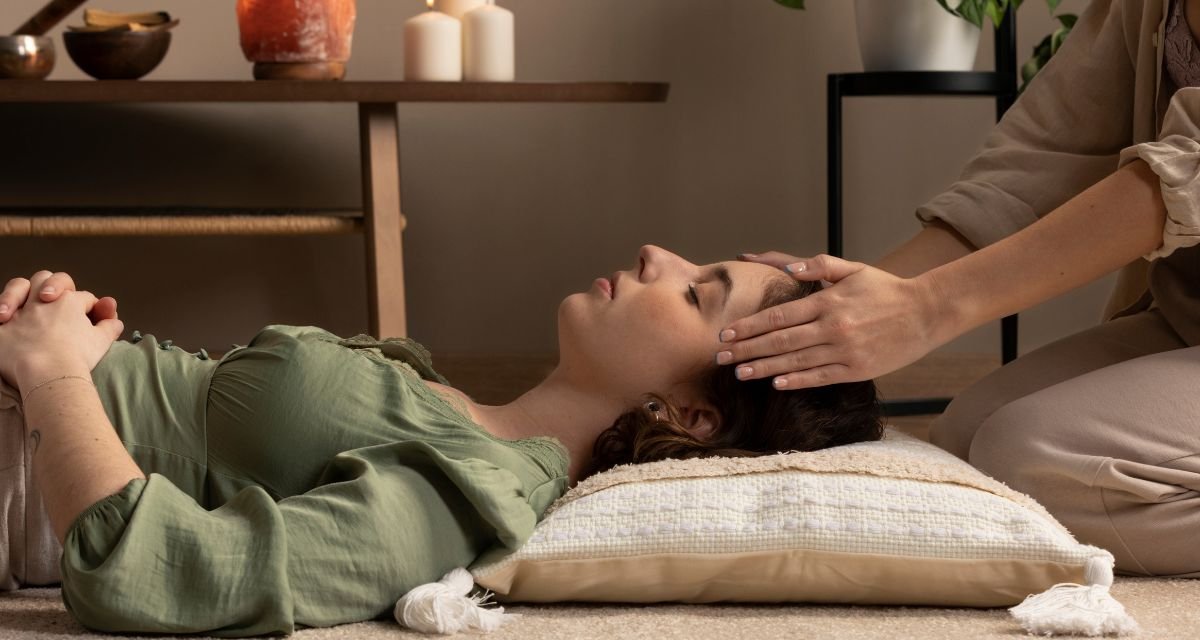
Shirodhara involves the controlled flow of a selected liquid over the forehead. It may support relaxation and stress management for some patients.
Shirodhara should not be presented as a cure for migraine. The liquid, temperature and treatment duration must be selected according to the individual.
Shiro Abhyangam
Shiro Abhyangam is a traditional head massage using selected oil. It may promote relaxation and help reduce muscular tension in suitable patients.
Intense massage should be avoided if it worsens the headache or if the patient has an acute injury, infection or another condition for which massage is unsuitable.
Abhyangam
Abhyangam is a traditional full-body oil application and massage. It may be considered as part of a relaxation and lifestyle-support programme.
Nasya
Nasya involves the professionally supervised nasal administration of selected Ayurvedic preparations. It should only be performed after a consultation and is not suitable for everyone.
Patients should not attempt Nasya at home using concentrated oils, juices or unverified products. Incorrect administration may cause irritation or other complications.
Panchakarma procedures
A Panchakarma treatment for migraine should not be a standard programme applied to every patient. Selected procedures may be considered only after evaluating age, strength, body constitution, health conditions and migraine pattern.
Ayurvedic herbal preparations
A qualified practitioner may prescribe selected Ayurvedic preparations after assessing the patient’s medical history and medicines.
Herbal products can cause adverse effects or interact with migraine medicines, blood thinners, blood-pressure treatments and other drugs. “Natural” does not automatically mean safe. Patients should disclose all medicines and supplements to their healthcare providers.
Diet and Lifestyle Guidance
No single food plan can permanently cure migraine. Dietary advice should focus on regular, balanced eating and the patient’s personally identified triggers.
General recommendations may include:
- Eat meals at consistent times
- Avoid regularly skipping breakfast or other meals
- Drink enough water throughout the day
- Increase fluids appropriately during hot Dubai weather
- Limit excessive caffeine
- Avoid sudden changes in caffeine intake
- Reduce alcohol consumption
- Choose balanced meals with suitable protein and fibre
- Avoid unnecessary restrictive diets
- Limit only those foods consistently associated with personal attacks
A suspected food trigger should be assessed systematically. Removing many foods without professional guidance may result in an unbalanced diet.
Keep a Migraine Diary
A migraine diary can help identify patterns and assess whether a treatment plan is helping. Record:
- Date and time of each attack
- Duration and severity
- Location and type of pain
- Associated symptoms
- Food and fluid intake
- Sleep duration
- Stress level
- Menstrual cycle
- Weather or heat exposure
- Screen use
- Medicines taken
- Response to treatment
A diary is more reliable than attempting to remember possible triggers after several attacks. It can also provide useful information to a doctor, neurologist or Ayurvedic doctor for migraine in Dubai.
Sleep and Migraine
Both insufficient sleep and excessive sleep may trigger attacks in some people. Helpful habits include:
- Follow consistent sleeping and waking times
- Avoid large changes in the weekend sleep schedule
- Create a calm bedtime routine
- Reduce screen use before sleeping
- Address snoring or suspected sleep apnoea
- Seek medical advice for persistent insomnia
Hydration in Dubai’s Climate
Dehydration is a common headache trigger. People living and working in Dubai may lose additional fluid through heat exposure and sweating.
Practical measures include:
- Drink water regularly instead of waiting for intense thirst
- Carry water when travelling or working outdoors
- Increase fluids during exercise
- Limit excessive caffeinated and sugary drinks
- Discuss fluid intake with a doctor if you have heart or kidney disease
Exercise and Stress Management
Regular physical activity may support general health, sleep and stress management. Suitable activities may include:
- Walking
- Swimming
- Gentle yoga
- Breathing exercises
- Light aerobic activity
- Stretching
Begin gradually because intense or sudden exercise may trigger migraine in some people. Patients with other health conditions should seek medical advice before starting a new exercise programme.
Relaxation practices, meditation and structured breathing may help manage stress, although they cannot prevent every migraine attack.
Avoiding Medication-Overuse Headache
Using pain-relieving or migraine medicines too frequently can sometimes contribute to medication-overuse headaches. Patients who need acute headache medication regularly should consult a doctor rather than repeatedly increasing the dose.
Do not suddenly stop prescribed migraine medicine without professional guidance. A doctor can recommend a safe management plan when medication overuse is suspected.
Benefits of Personalised Ayurvedic Care
Possible benefits of personalised Ayurvedic care for Ardhavabhedaka include:
- Detailed assessment of headache patterns
- Individual trigger identification
- Consideration of digestion, sleep and stress
- Personalised diet and daily-routine guidance
- Selection of suitable therapies
- Review of current medicines and supplements
- Ongoing monitoring of progress
- Adjustment of the care plan when necessary
- Coordination with conventional medical care
The effectiveness and suitability of individual therapies vary. No treatment outcome can be guaranteed.
Why Choose Aarogyashala in Bur Dubai?
Aarogyashala Advanced Ayurveda Medical Centre LLC provides individualised Ayurvedic care in a professional and welcoming setting in Bur Dubai, Dubai.
Patients seeking migraine treatment in Bur Dubai may choose Aarogyashala for:
- Personalised Ayurvedic consultation
- Detailed evaluation of symptoms and triggers
- Traditional therapies under professional supervision
- Individual diet and lifestyle recommendations
- Consideration of current medicines and medical history
- Responsible coordination with conventional medical care
- Convenient Mankhool Road location
- Easy access from Sharaf DG Metro Station—Exit 2
- Follow-up according to individual progress
If you are looking for headache treatment in Bur Dubai, obtaining a correct medical diagnosis should be the first step. Our Ayurvedic team can then recommend appropriate complementary support.
When to Seek Emergency Medical Attention
Seek emergency medical care immediately for:
- A headache that begins suddenly and is extremely severe
- Headache after a serious head injury
- Weakness or numbness affecting the face, arm or leg
- Facial drooping
- Difficulty speaking, remembering, walking or understanding
- Loss of consciousness
- Confusion or unusual drowsiness
- A seizure
- Fever accompanied by a stiff neck
- Sudden loss of vision, blurred vision or double vision
- A new or rapidly worsening headache during pregnancy
- A significant change in your normal headache pattern
These symptoms should not be assumed to be migraine or treated only with complementary therapy.

Frequently Asked Questions
-
Migraine cannot currently be considered permanently curable. Ayurvedic care may support lifestyle, stress management, sleep, digestion and general well-being, but it cannot guarantee complete prevention of future attacks.
-
A personalised programme may include consultation, trigger assessment, diet and lifestyle guidance, selected external therapies and professionally supervised Ayurvedic preparations. Recommendations depend on the patient’s symptoms and medical history.
-
No. Shirodhara may support relaxation in selected individuals, but it is not appropriate or effective for everyone. Suitability must be determined after consultation.
-
Nasya should only be performed under the supervision of a qualified Ayurvedic practitioner. It may not be appropriate during certain infections, pregnancy or for people with specific health conditions.
-
No. Do not stop, reduce or change prescribed medicine without consulting your doctor or neurologist. Sudden changes may worsen symptoms or create other risks.

Book Your Consultation Today